Extremely high priority
Interventions
Every intervention, ranked.
20 practices scored across four dimensions: cost, time, energy, and impact. The priority formula rewards what's effortless and high-leverage.
- ImportantCost$15/moTime10 secEnergyEffortlessImpactHighLeveragewithin Muscle & StrengthEvidencesolid · 2 papersCheck first
People with preexisting kidney disease should ask a clinician before starting; healthy kidneys have tolerated typical doses in trials, but this card is not a prescription.
Read the full page →
What we use
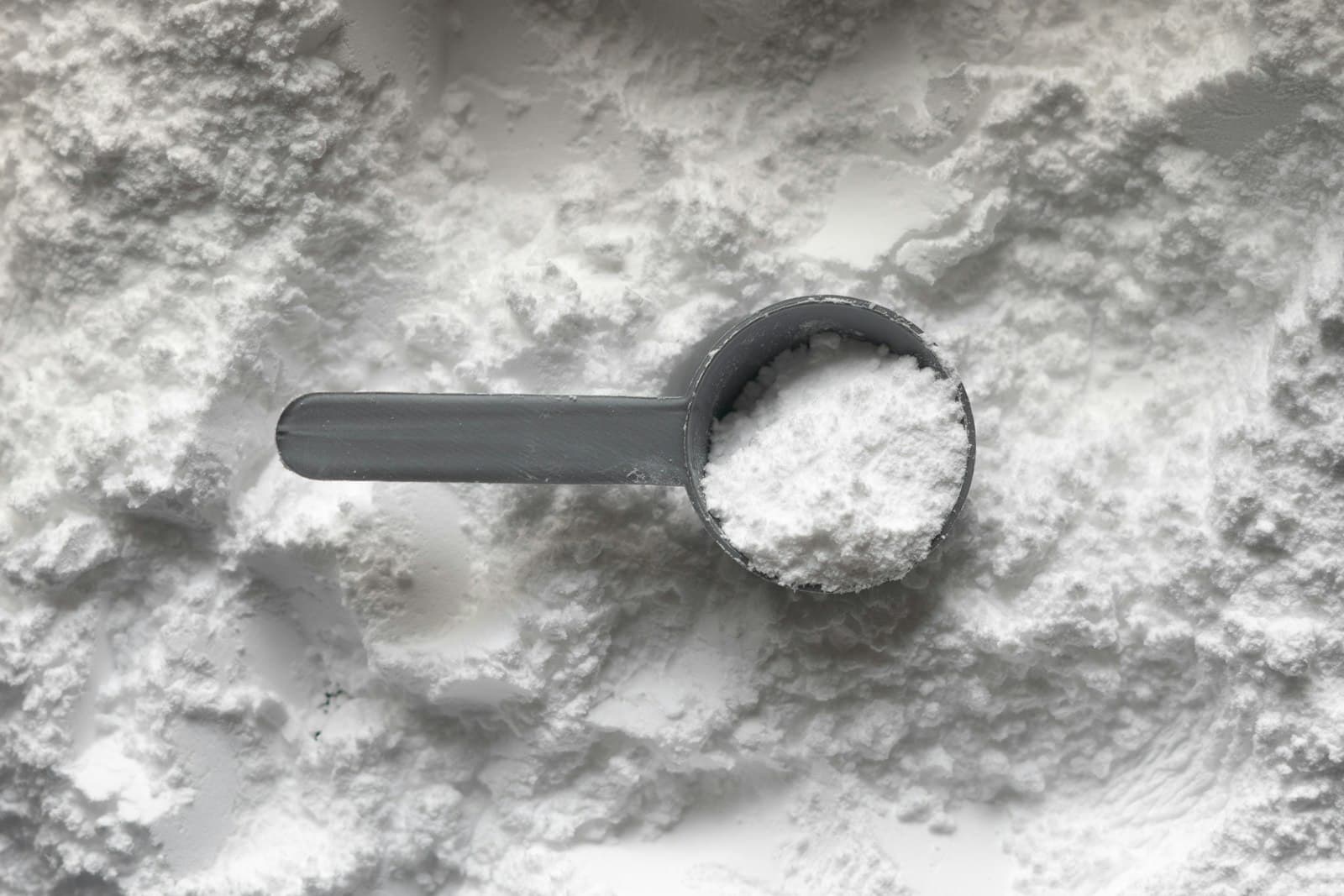
Thorne Creatine Monohydrate
$16Third-party tested. Tasteless. Mixes clean.
Cost$16TimeNoneEnergyEffortlessImpactHighAnew Researched & CertifiedFull details → - Extremely high priority
- Very importantCost$12Time-EnergyEasyImpactVery highLeveragewithin Light HealthEvidencesolid · 2 papers
Read the full page →
What we use
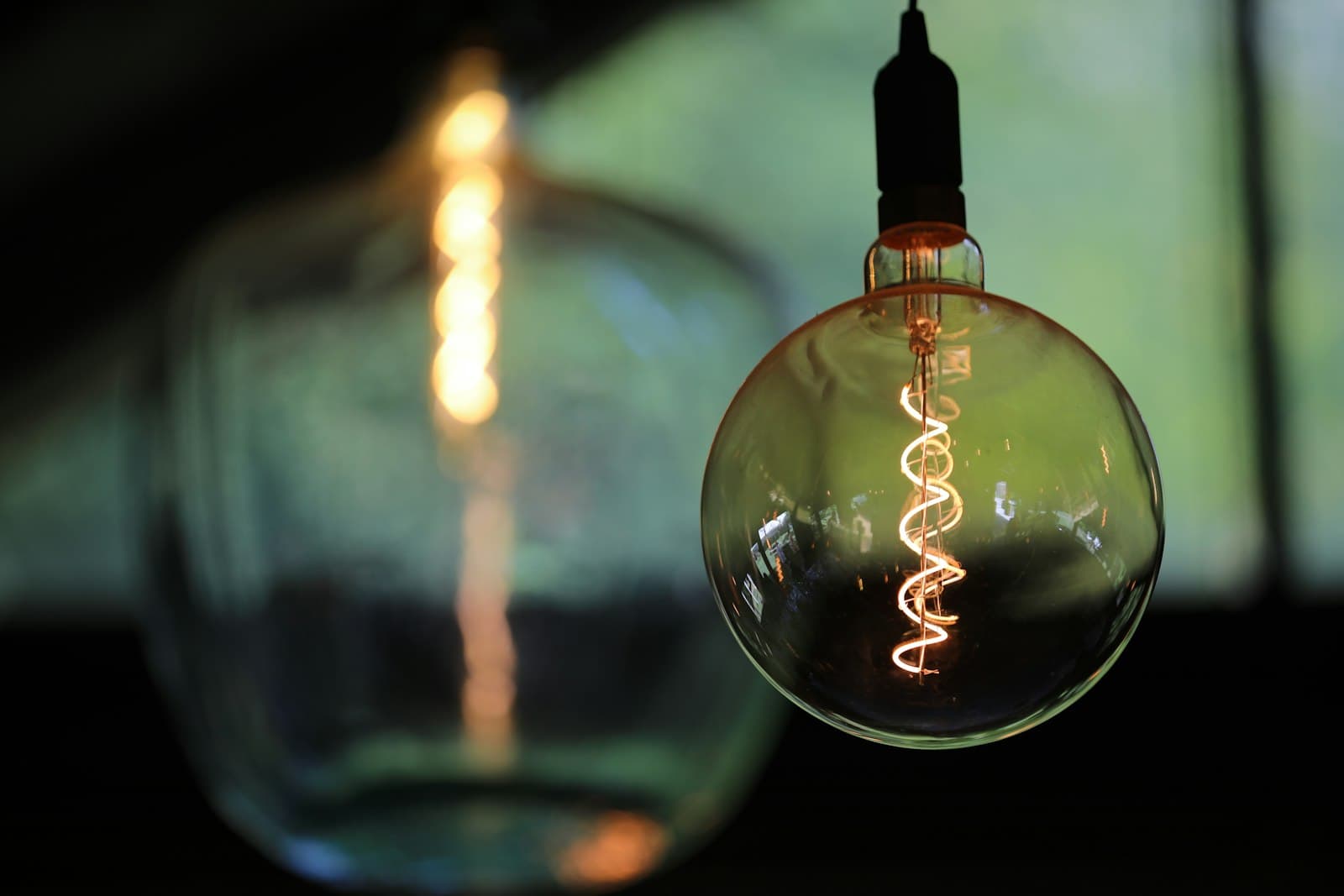
Amber Evening Bulb
$12The single easiest upgrade for your sleep.
Cost$12TimeNoneEnergyEffortlessImpactHighAnew Researched & CertifiedFull details → - Nice to have
- Important
Beta
new · scores settlingNewly researched and scored, sitting apart while the numbers prove themselves. Same four dimensions, same sources-behind- every-claim rule; they join the ranks above when the scores have earned it.
- Important08Read more
Emergency fundbeta
A cash cushion turns a crisis into an inconvenience — the single biggest reducer of money stress.
- Important11Read more
Kill high-interest debtbeta
Debt over ~8% is a guaranteed loss — paying it off returns the rate, risk-free.
- Important
- Nice to have23Read more
Cook at homebeta
The one lever that controls everything else you eat — it usually saves money, but it costs you 30–60 minutes a day, most days.
CostSaves moneyTime30–60 min/dayEnergyPlan, shop, cook, cleanImpactHighLeveragewithin Nutrition, Diet, & FoodEvidencemixed · 4 papersWhere the evidence is thin- Almost all the outcome evidence is observational: people who cook most of their meals also differ in income, time, and conscientiousness, and the 28%-lower-overweight and diet-quality numbers are cross-sectional snapshots.
- The only true RCT (n=20, 2 weeks) tested ultra-processed vs unprocessed food, not cooking itself. The prospective effect on diabetes is real but modest — 14% relative risk reduction over decades, not a transformation.
Read the full page →
What we use

Organic Extra Virgin Olive Oil
$8–15Cold-pressed, high-polyphenol, real.
Cost$8–15TimeNoneEnergyEffortlessImpactHighAnew Researched & CertifiedFull details → - Nice to have24Read more
Know your Big Fivebeta
The one personality test that predicts real outcomes — use it to route around your weak traits, not to feel seen.
- Lower priority31Read more
Expressive writingbeta
Write about what hurts, 20 minutes at a time, four times — the effect is real, and honestly small.
- Nice to have19Read more
Sunrise alarmbeta
Fake a sunrise over the last 30 minutes of sleep — in winter-depression trials a 250-lux dawn matched 10,000-lux bright light. An addition for dark mornings, never a substitute for stepping outside.
Cost$25–120 onceTimeNone — one-time setupEnergySet it onceImpactReal, but winter-specificLeveragewithin Light HealthEvidencemixed · 5 papersWhere the evidence is thin- Lux and distance decide whether it works at all: the ramp needs roughly 200–300 lux at your pillow, which means the lamp within arm's reach of your head. Across the room it is a nightlight, and budget units peaking under 100 lux will not move anything.
- The strong evidence is for seasonal affective disorder in winter — two solid RCTs put dawn simulation in the same league as 10,000-lux bright-light therapy for that population.
Read the full page →
- Important16Read more
4×4 intervalsbeta
Four 4-minute hard bouts at 90–95% of max heart rate, three easy minutes between, up to 3×/week on any cardio you like. In trials it raises VO2max about 1–1.5 METs in 6–10 weeks for people with an aerobic base — one of the fastest known fitness gains per week of training. Higher fitness is one of the strongest mortality correlates known; nobody has trialed the leap from eight weeks of this to living longer, and we won't pretend otherwise.
- Nice to have18Read more
Minimize ultra-processed foodbeta
In the only tightly controlled feeding trial, adults offered an ultra-processed diet passively ate ~500 kcal/day more and gained 0.9 kg in two weeks, and an 8-week free-living RCT found roughly double the weight loss on a minimally processed diet — that is the causal core, and it covers intake and short-term weight only. The larger claims (mortality +21%, diabetes +12%, depression) come from cohorts and are associations, not proof. Start with the worst offenders — sugary drinks, processed meats, packaged snacks — and shift toward short-ingredient-list foods, mostly by cooking more of your own meals.
The overhyped shelf
Scored on the same matrix and kept on purpose: knowing what not to buy is half the point. These rank where the evidence puts them, which is why they live down here.
See the daily stack built from these interventions.
Open Now →