Extremely high priority
TopicsLight Health
Light Health
Bright days, dark nights.
Sunrise in your eyes, sundown on your bulbs. Your body runs on the spectrum of the sky, and modern indoor light scrambles every signal it depends on: when to sleep, when to wake, when to digest, when to repair. Restore the light, restore the rhythm.
Interventions
What actually works.
Ranked by priority. Same matrix, filtered to this chapter.
All interventions →2 of this chapter's moves are Path steps →
- Very importantCost$12Time-EnergyEasyImpactVery highLeveragewithin Light HealthEvidencesolid · 2 papers
Read the full page →
What we use
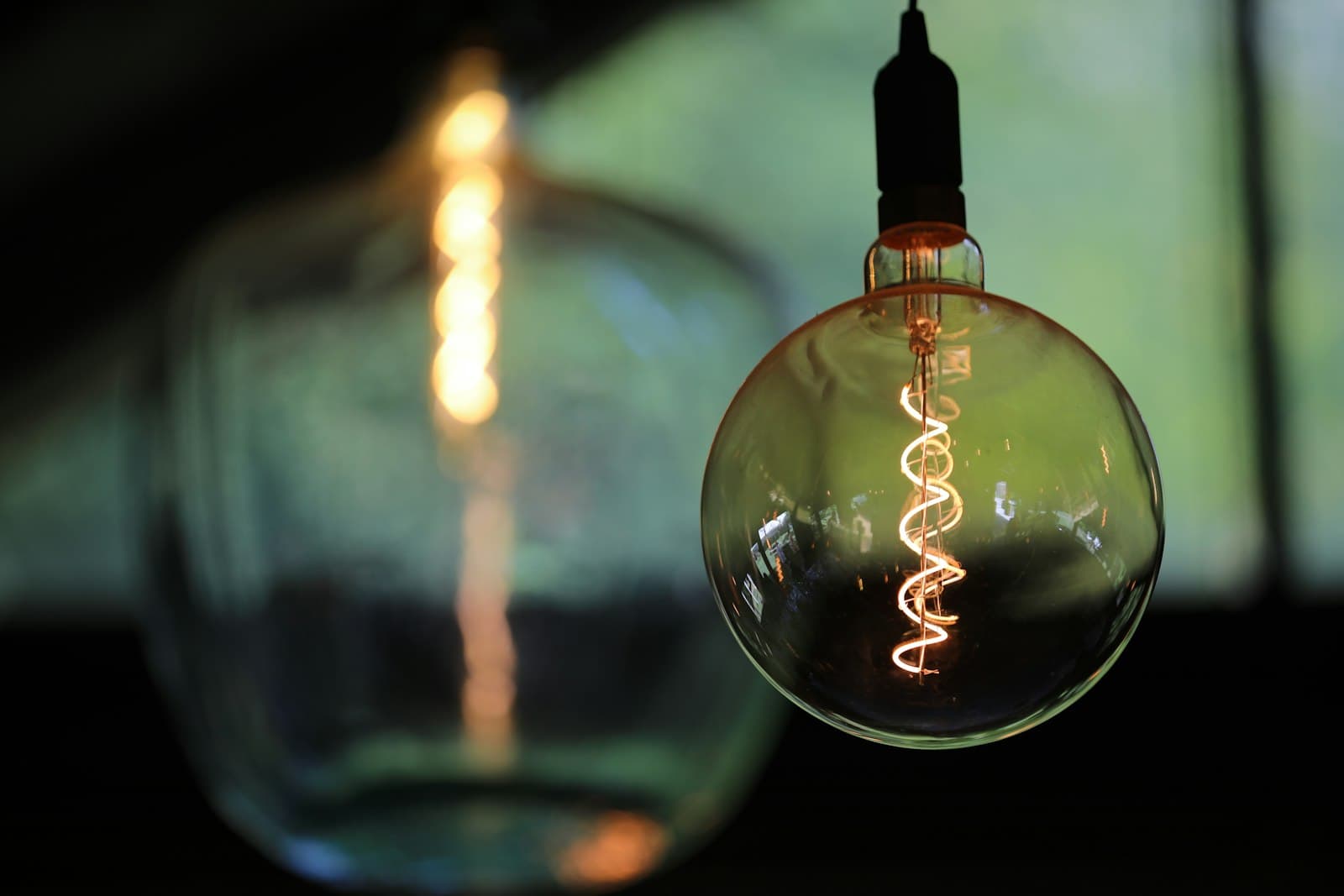
Amber Evening Bulb
$12The single easiest upgrade for your sleep.
Cost$12TimeNoneEnergyEffortlessImpactHighAnew Researched & CertifiedFull details → - Important
- Nice to have19Read more
Sunrise alarmbeta
Fake a sunrise over the last 30 minutes of sleep — in winter-depression trials a 250-lux dawn matched 10,000-lux bright light. An addition for dark mornings, never a substitute for stepping outside.
Cost$25–120 onceTimeNone — one-time setupEnergySet it onceImpactReal, but winter-specificLeveragewithin Light HealthEvidencemixed · 5 papersWhere the evidence is thin- Lux and distance decide whether it works at all: the ramp needs roughly 200–300 lux at your pillow, which means the lamp within arm's reach of your head. Across the room it is a nightlight, and budget units peaking under 100 lux will not move anything.
- The strong evidence is for seasonal affective disorder in winter — two solid RCTs put dawn simulation in the same league as 10,000-lux bright-light therapy for that population.
Read the full page →
Run a stack
Curated for this chapter.
Adopt one wholesale, or pick the pieces. Each spread bundles interventions, products, and reading.
The Morning Stack
Five things in the first hour, in the order that they matter.
5 interventionsOpen spread →Better Sleep, No Sleep Aid
Fix the cause, not the symptom: circadian inputs that earn back your nights.
4 interventions · 1 product · 1 pieceOpen spread →- CollectionLight Health
The Light Health Curriculum
Why light is the most leveraged variable in your day: read, watch, act.
3 pieces · 2 interventions · 1 productOpen spread → The Lazy Stack
Passive wins: set once, benefit daily, zero willpower on the line.
5 interventions · 2 productsOpen spread →
On the shelf
What we'd buy.
Affiliate-only, scored by the same matrix. We only recommend what we use.
- Extremely high priorityTop ChoiceLight Health
The single easiest upgrade for your sleep.
Cost$12TimeNoneEnergyEffortlessImpactHigh - Nice to have
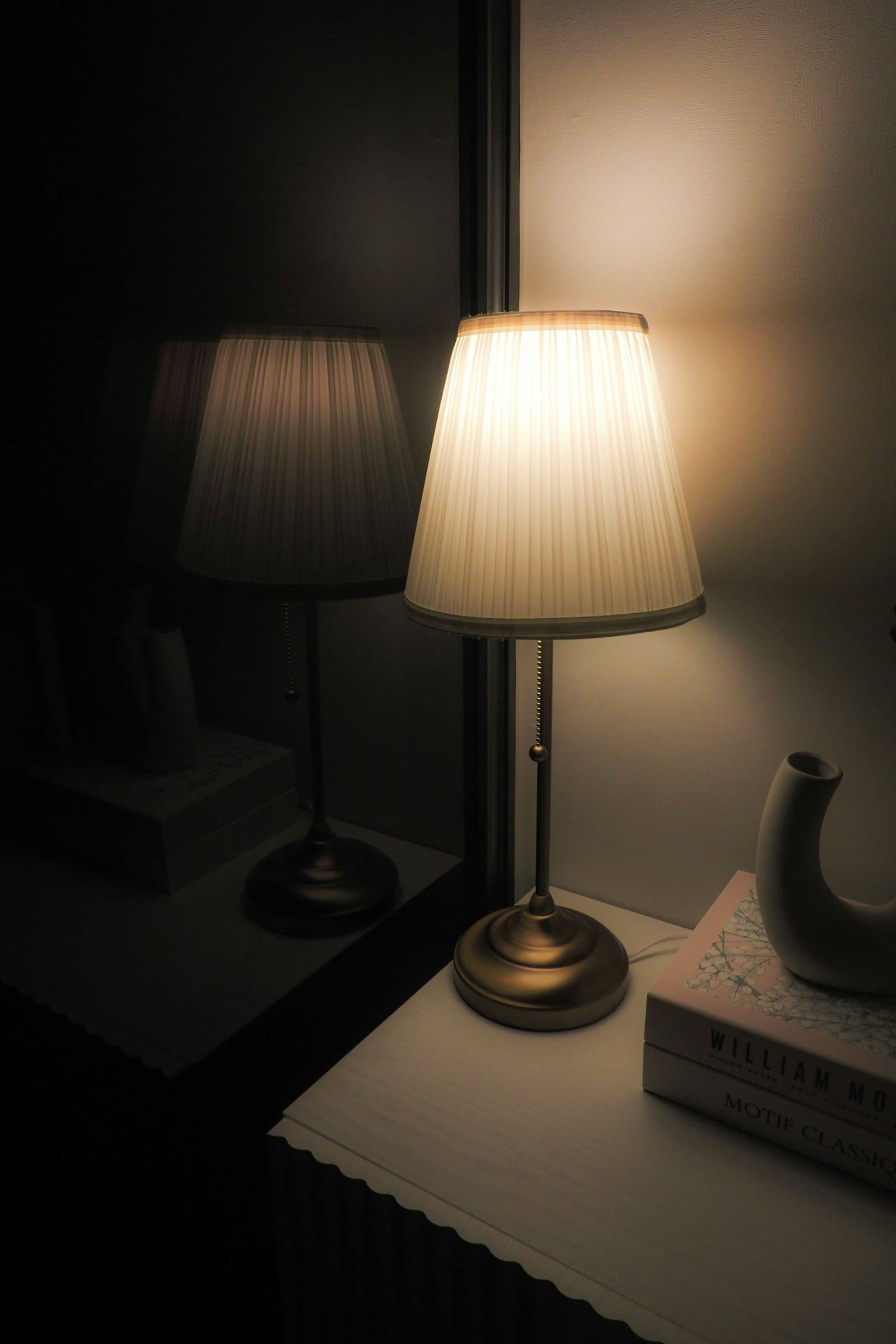 Top ChoiceLight Health
Sunrise Alarm Lamp
$40–120Wake to light, not noise — especially in winter.
Cost$40–120TimeNoneEnergyEffortlessImpactModerate
Read more
The reading list.
- 01
Your screen is the reason you work indoors
Morning light ranks first on our whole list and costs nothing — and the thing that actually stops most people taking it is that they cannot see their laptop outdoors.
- 02
- 03
- 04
Other chapters
Eight topics, one matrix. Pick another, or browse the full library.