Extremely high priority
Top ChoiceLight Health
The single easiest upgrade for your sleep.
Cost$12
TimeNone
EnergyEffortless
ImpactHigh
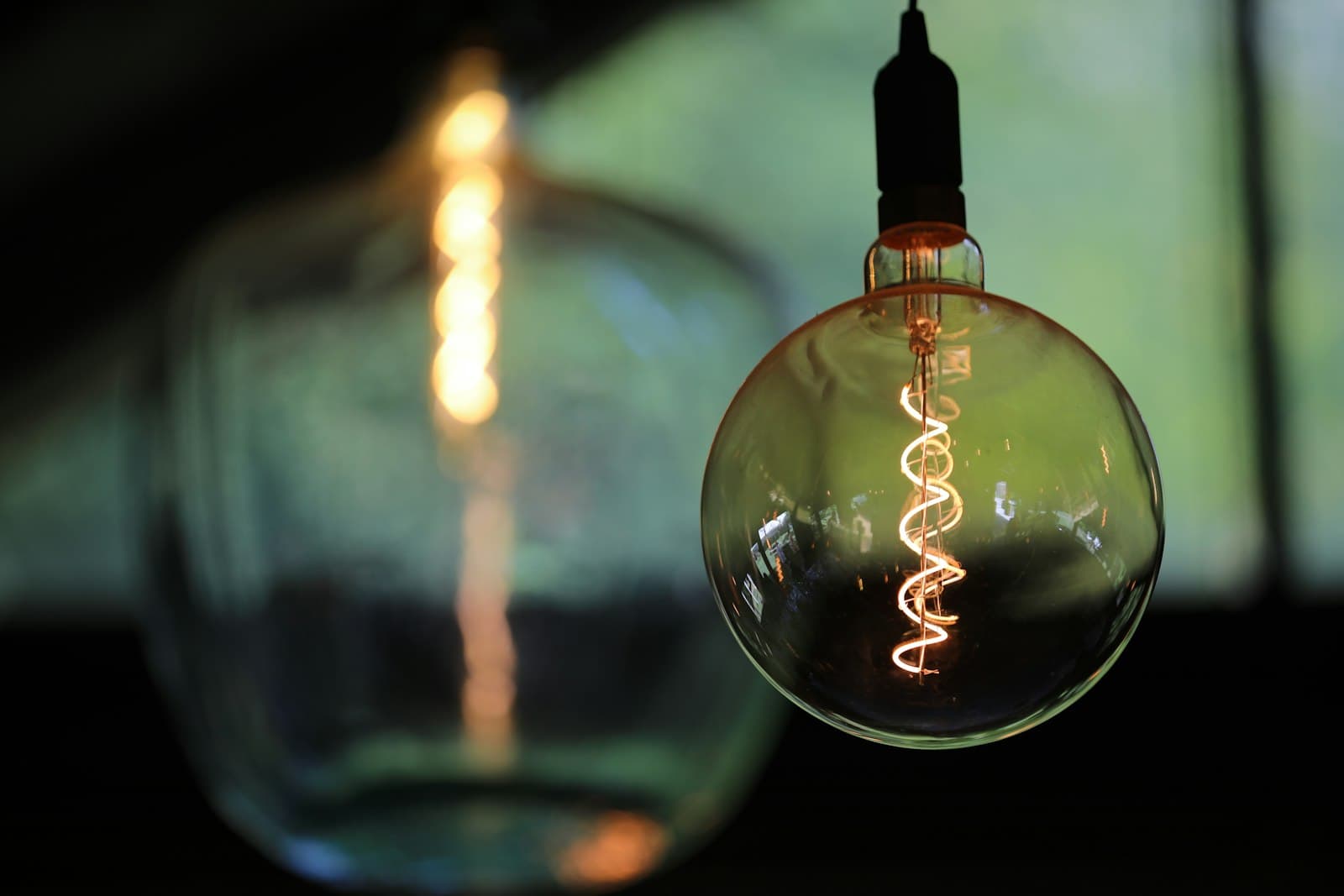
Fake a sunrise over the last 30 minutes of sleep — in winter-depression trials a 250-lux dawn matched 10,000-lux bright light. An addition for dark mornings, never a substitute for stepping outside.
Priority Matrix
Four dimensions, scored 1–6, where six is always the good end: cheapest, quickest, easiest, highest impact. Priority is Impact squared, divided by what it costs you in energy, money and time.
How sure we are
Kept separate from the priority score on purpose: confidence in the evidence never raises how worth-it something is.
What we read
Biological Psychiatry · 2001
95 medication-free adults with winter depression randomized to a 1.5-h dawn ramp peaking at 250 lux, 30 min of 10,000-lux bright light, or a 0.5-lux dim-red sham. Over 6 weeks of blinded ratings, dawn simulation produced higher remission and response rates than the sham (p<.05, p<.001) — and than bright light itself (p<.01, p<.001).
American Journal of Psychiatry · 2006
99 adults with winter depressive episodes across five parallel arms. Symptom improvement: 57.1% post-awakening bright light, 49.5% naturalistic dawn simulation, 47.9% high-density ionization, 22.7% low-density ionization (the de facto control). Dawn simulation worked without any post-waking effort — a credible alternative to bright light, not clearly superior to it.
Journal of Sleep Research · 2010
Crossover in 16 healthy adults who report difficulty waking: artificial dawn significantly reduced subjective sleepiness and raised subjective activation after waking, but had no significant effect on objective task performance, core body temperature, or the cortisol awakening response — the benefit showed up in how people felt, not in measured output.
Chronobiology International · 2013
17 adults after two nights restricted to 6 h of sleep: a dawn ramp from 0 to 250 lux starting 30 min before wake improved subjective well-being, mood, and cognitive performance compared with both dim light and 470-nm blue light. Small lab study, but one of the few with an objective cognitive signal.
European Journal of Applied Physiology · 2014
Crossover in just 8 adults who struggle to wake: a 30-min simulated dawn before waking raised perceived sleep quality and alertness ratings across the first 75 min of the day, with cognitive tasks and a self-paced cycling protocol also assessed. Tiny sample; the robust effects were the subjective ones.
Research from University of Washington · Columbia University / New York State Psychiatric Institute · University of Groningen · Centre for Chronobiology, University of Basel. We cite their published work. They have no involvement with Anew.
Where this falls down
Lux and distance decide whether it works at all: the ramp needs roughly 200–300 lux at your pillow, which means the lamp within arm's reach of your head. Across the room it is a nightlight, and budget units peaking under 100 lux will not move anything.
The strong evidence is for seasonal affective disorder in winter — two solid RCTs put dawn simulation in the same league as 10,000-lux bright-light therapy for that population.
Year-round, general-population evidence is much thinner: three small lab studies (n=8, 16, 17) showing mainly subjective gains in alertness and mood, with objective performance and cortisol effects largely null in two of the three.
This is an addition for dark winter mornings, not a substitute for morning outdoor light — the lamp peaks around 250–300 lux at the pillow versus thousands outdoors, so the #1 card still applies once you're up.
If your winters genuinely feel like depression rather than grogginess, that's a clinical question for a professional, not a lamp purchase.
Topics
Related products
Products that share a topic with this intervention. Same matrix scoring, same restraint.
The single easiest upgrade for your sleep.
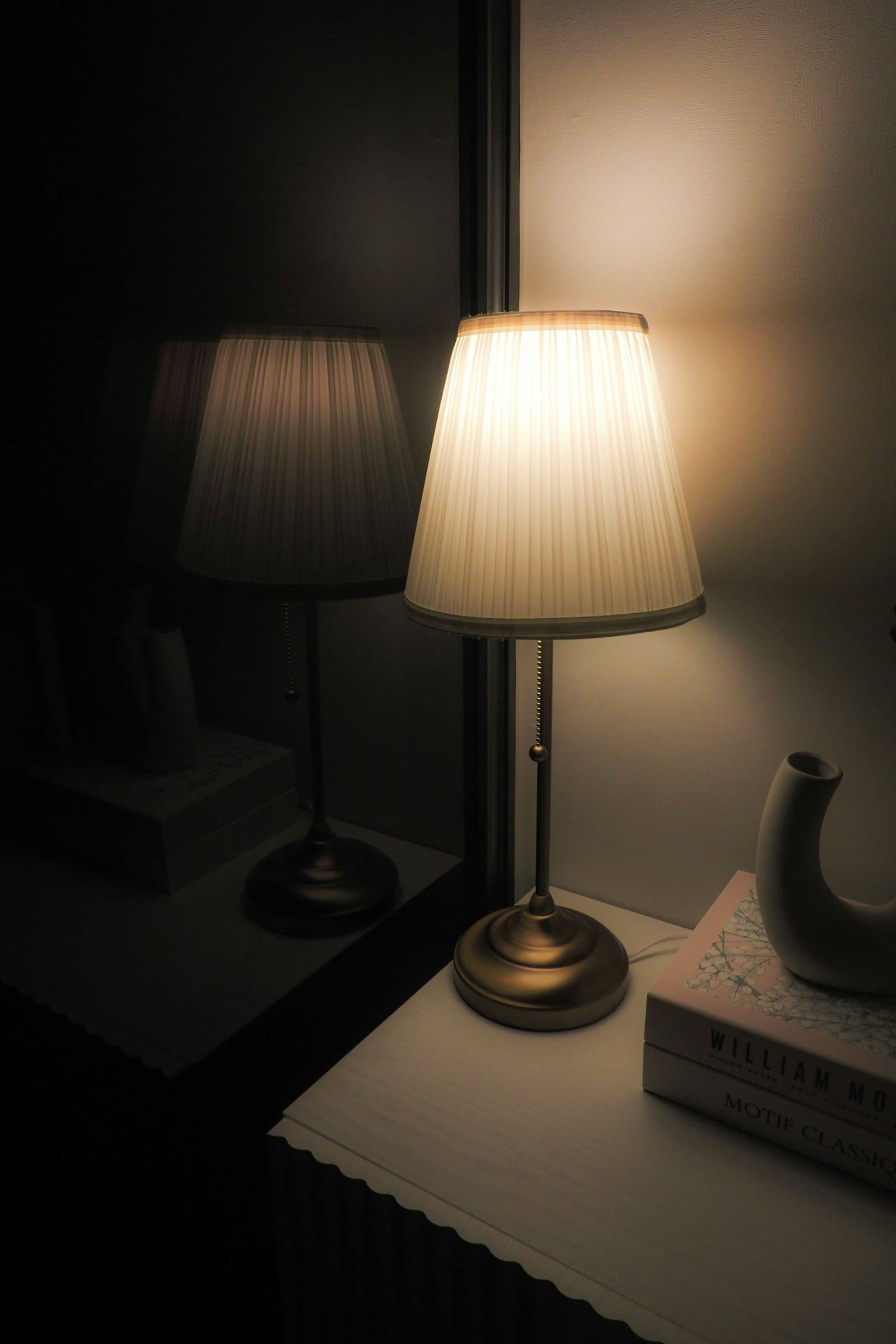
Wake to light, not noise — especially in winter.
Keep going