Extremely high priority
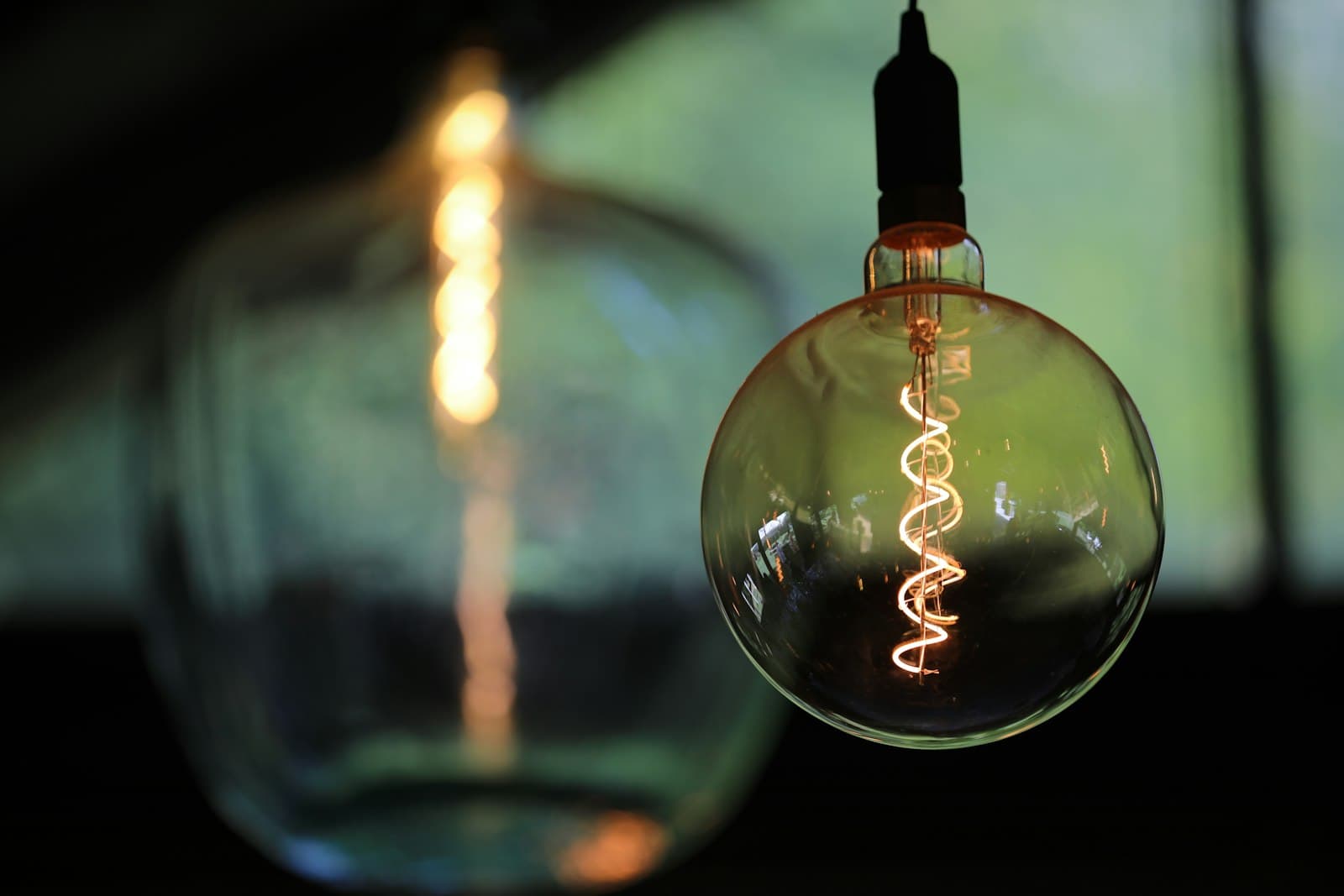
Top ChoiceLight Health
The single easiest upgrade for your sleep.
Cost$12
TimeNone
EnergyEffortless
ImpactHigh
Take the laptop out for an hour. Daylight beats any office.
Priority Matrix
Four dimensions, scored 1–6, where six is always the good end: cheapest, quickest, easiest, highest impact. Priority is Impact squared, divided by what it costs you in energy, money and time.
How sure we are
Kept separate from the priority score on purpose: confidence in the evidence never raises how worth-it something is.
What we read
Current Biology · 2013
Eight adults in Colorado averaged 979 lux during waking hours in their usual electrical-lighting environment versus 4,487 lux during a week camping under natural light only, spending 3.8 versus 11.4 hours per day above 1,000 lux, and all measured markers of internal circadian timing, including melatonin onset, were about two hours earlier after the natural-light week.
Journal of Clinical Sleep Medicine · 2014
Among the 21 of 49 office workers who wore actigraphs, those with windows had more measured light exposure during work hours than those in windowless offices (3.00 versus 2.58 log lux, p = 0.02) and slept an average of 46 minutes more per night across the workweek, and in the full 49-person sample the windowless workers reported poorer overall sleep quality on the global Pittsburgh Sleep Quality Index.
Journal of Affective Disorders · 2021
UK Biobank participants reported a median of 2.5 daylight hours outdoors per day (interquartile range 1.5 to 3.5 hours), and each additional hour outdoors was associated with lower odds of lifetime major depressive disorder (95% confidence interval for the odds ratio 0.92 to 0.98), less frequent low mood (0.87 to 0.90) and less frequent tiredness (0.80 to 0.82), independent of demographic, lifestyle and employment covariates.
Proceedings of the National Academy of Sciences · 2023
Wrist-worn light loggers on 59 UK adults recorded a mean of only 2.9 hours between 08:00 and 17:00 above the recommended daytime minimum of 250 lx melanopic EDI, with bright light (above 1,000 lx melanopic EDI) averaging 1.4 hours per day on workdays versus 2.1 hours on free days (p < 0.001).
Where this falls down
Not for everyone. Anyone treating a diagnosed condition. Seasonal affective disorder is managed with light-box therapy at specified intensity, duration and timing — a different intervention with its own trial evidence, which none of these papers tests. Do not read this as a substitute for prescribed light therapy, or for treatment of a diagnosed sleep or mood disorder. People with photosensitivity, photosensitising medication, lupus, or a personal or family history of skin cancer should take medical advice on sun exposure before increasing it. Shift workers are explicitly outside this evidence — the wearable light-logger study recruited only people without shift work or jetlag — and daytime light advice can be actively wrong when the work schedule is nocturnal.
Nobody has trialled this. There is no study — randomised or otherwise — of taking a laptop outside to work. Every paper here tests something adjacent: camping for a week, having a window, self-reported hours outdoors, or wearing a light sensor. The inference from those to 'work outside this afternoon' is ours, not the literature's.
The camping study moved the clock, not sleep itself. Melatonin timing shifted about two hours earlier, but weekly sleep duration (6.7 versus 6.8 hours) and sleep efficiency (87.6% versus 87.0%) did not change at all, and no mood or wellbeing outcome was measured. Read it as evidence about circadian timing, not as evidence you will sleep more or feel better.
The strongest lux contrast comes from eight people camping in the Rocky Mountains in July. That week changed sleep timing, evening light and access to personal electronic devices all at once, so the light gap it measures is real but the outcome cannot be attributed to daylight alone — and the authors themselves call for larger samples, other ages and cultures, and other latitudes and seasons.
That study's indoor baseline was unusually bright. Its authors note the 979 lux figure is higher than typically reported and likely reflects the outdoor lifestyle of the participants and the sunny mountain-desert climate of Colorado, so it is not a stand-in for a normal office.
The largest study (400,000+ people) measures hours outdoors by asking people, cross-sectionally. People who spend more time outdoors differ in health, employment and mobility from those who don't; the longitudinal effects were generally smaller than the cross-sectional ones, which is what confounding tends to look like.
The window study is a 49-person case-control pilot, with the light and sleep measurements coming from a 21-person subset. Its own authors write that they cannot say whether the extra light in window offices came from natural daylight or from artificial lighting in the building.
In that same study the light gap was not confined to the workday. Window workers also had significantly more light exposure on workday evenings (2.50 versus 1.93 log lux) and on free days (3.30 versus 2.37 log lux), with no difference in the morning before work — so the two groups differed across their whole lives, and evening light is the direction that delays the clock rather than advancing it. Of the actigraphy sleep measures, only sleep time differed; onset latency, efficiency, wake after sleep onset and fragmentation did not.
Screen legibility works directly against the mechanism. The daylight that makes the intervention worth doing is the same daylight that makes a laptop display hard to read, and the usual fixes — deep shade, a north-facing wall, an awning — cut the illuminance substantially. No study has measured what someone actually working outdoors receives at the eye.
Latitude, season and weather set a hard ceiling. The measured indoor-outdoor gap was taken in a Colorado summer at about 40°N; an overcast December at 55°N offers a fraction of it.
The 'time out of a chair' half of this intervention is not supported by anything cited here. These are light studies. Sitting outdoors is still sitting, and none of these papers measured sedentary time as an outcome of working outside.
Cumulative UV exposure carries real skin-cancer and photoageing risk, and the daily outdoor hours that would move circadian outcomes are not trivial amounts of sun.
Still unknown. The dose is unknown. Nothing establishes how long outdoors, at what time of day, or how many days a week produces a measurable change in sleep or mood — the 250 lx melanopic EDI daytime figure the wearable study benchmarks against comes from a published expert consensus recommendation, not from outcome trials. Whether shade-level outdoor light (the only kind you can actually see a screen in) clears that bar is unmeasured. Timing is likely to matter more than total: morning light advances the clock and evening light delays it, so an afternoon outdoors may not do what a morning outdoors does, and no study has separated them for this behaviour. It is also unknown how much of any benefit people report is the light at all, rather than the walk to get there, the break from the desk, or being outside — and nothing here can separate those.
Questions
Topics
Related products
Products that share a topic with this intervention. Same matrix scoring, same restraint.
The single easiest upgrade for your sleep.
Wake to light, not noise — especially in winter.
Keep going